Design Process = Creative block

I have the ideas, but trying to put them into work through a design process has just given me a creative block. First, I thought the ‘Double Diamond’ might work well, as I know I want to make a game about teaching children about the challenges of climate change. But as soon as I started researching it, I found it just made my thinking stagnate. I was asking myself, how do my ideas fit into all of this? Where do I start, and what should I do?
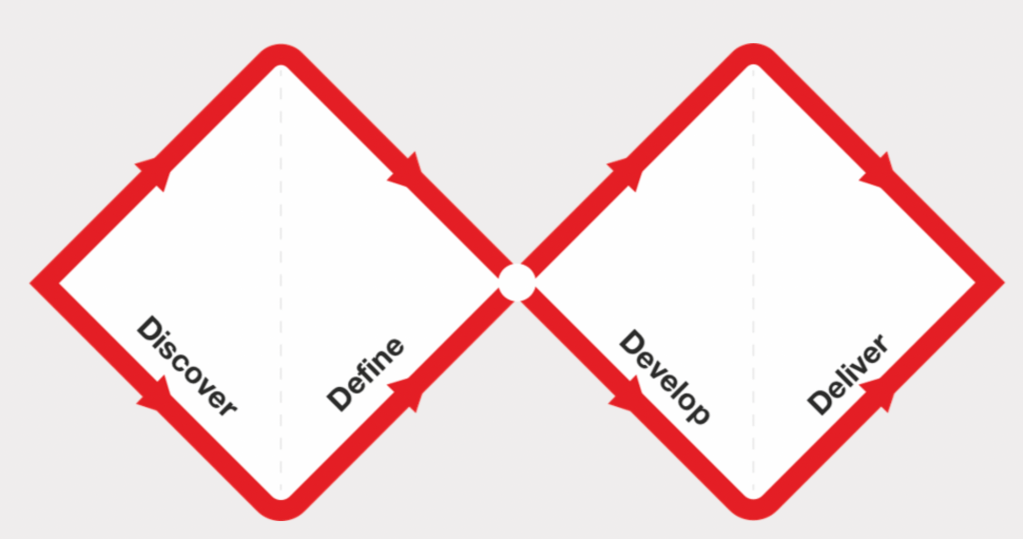
Design Council (2025) Double Diamond
Then I thought about looking at the Stanford d.school model. And once again, because I already have a fairly clear idea of what I want to make—a computer game about teaching children about climate change—it overwhelmed me. I felt I could not relax into my ideas.
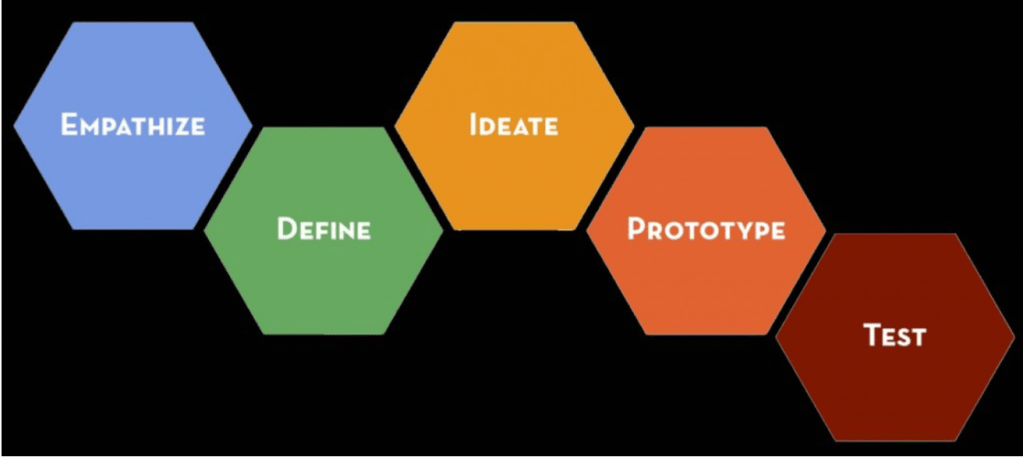
So I took a step back, forgot about any design process, and remembered my creative principles. I have been focusing too much on trying to learn new things, such as design processes, and getting bogged down instead of having fun and enjoying the process. When I started to relax more, I realised that if I want to make a game about the challenges of climate change, I need to understand two things:
- What is climate change?
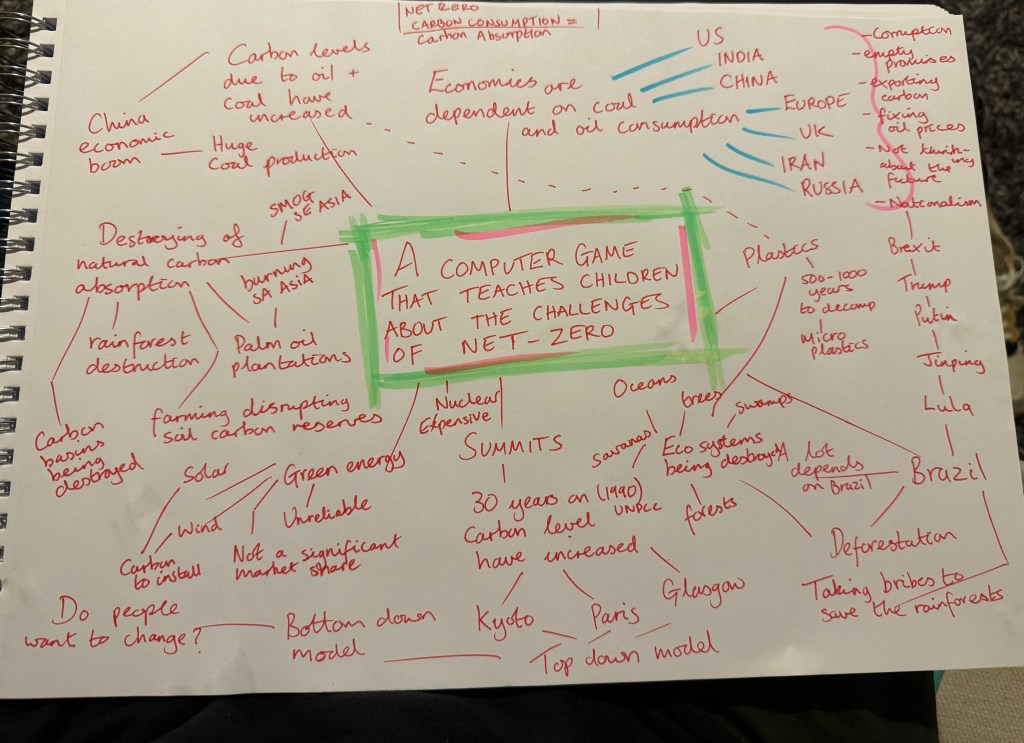
- What are the challenges for humanity in trying to achieve a net zero future?
The latter is the crucial part. I have started reading Net Zero: How We Stop Causing Climate Change by Dieter Helm (2021). This has freed up my thinking, and I have begun to empathise with the gravity of the challenges that face humanity. This empathy feels natural.
Whereas before, when I looked at the design process, I was searching for empathy—wanting to know where to begin—now I feel I have already started simply by taking the first step. I think I got bogged down because it felt as though Stanford d.school was not guiding me on where my empathy should be applied. Yes, it should be directed towards the user, but I have found that branching my empathy into the problem itself—what I want children to learn—has freed my thinking. The design process is not a set of rigid rules but a way to communicate my ideas.
By empathising with the problem I want children to learn about, I am developing a reflexivity towards both the problem and the process. This will be particularly useful when I talk to my students about their thoughts on the climate crisis. After reading the first 60 pages of Helm (2021), I realise that my empathy at this stage lies within the problem itself, and from here, I can now move forward!
Challenges of Climate Change and Achieving NET ZERO










 Ed Tech Fusion